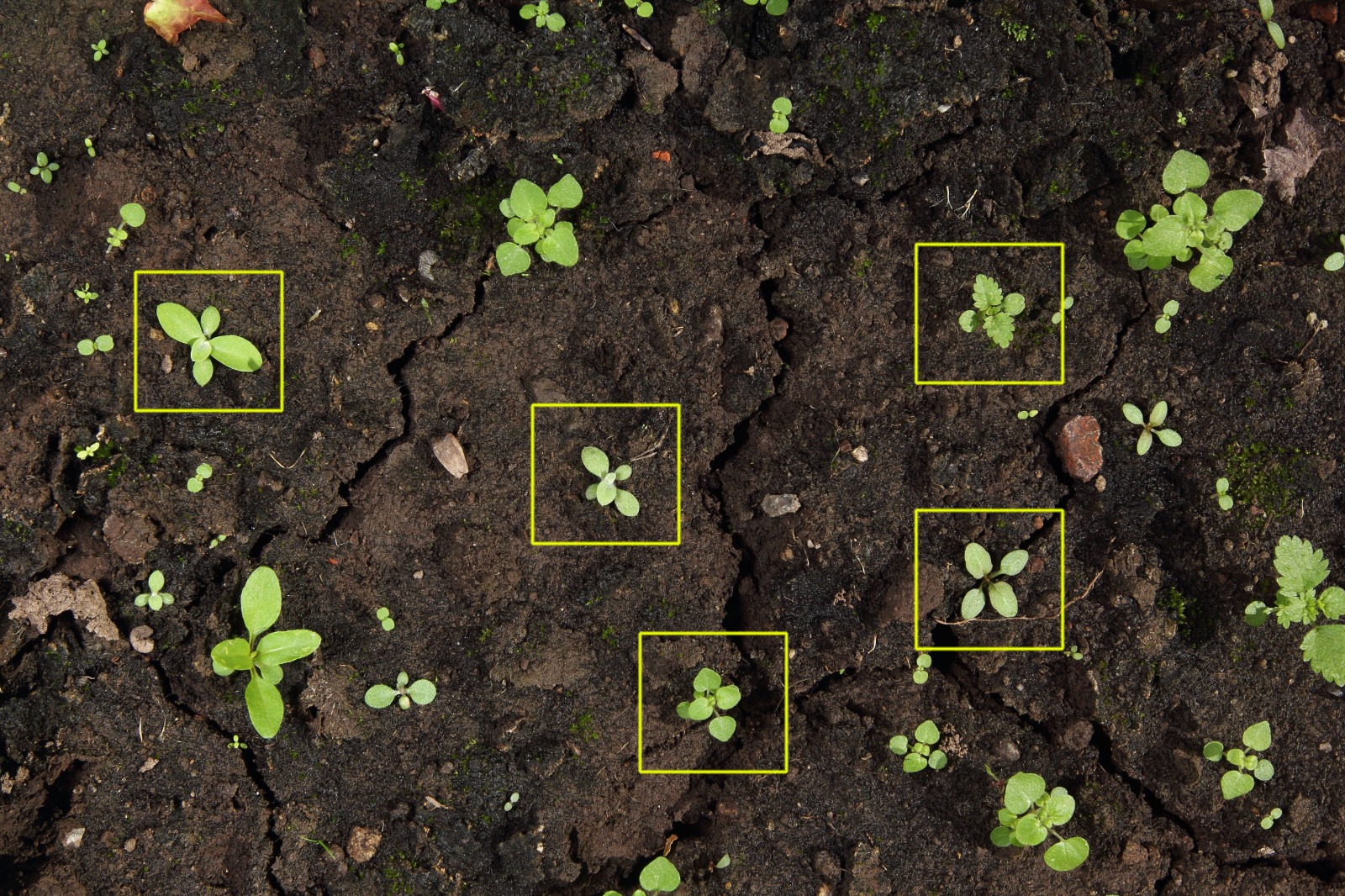
Agricultural vision datasets — ready-made and custom — for weed & insect detection.
18MP field imagery, captured and validated by agronomists, with catalog datasets and on-demand custom collections to harden your models before deployment.
 Corn
Soy
Wheat
Corn
Soy
Wheat
The gap between the lab and the real field.
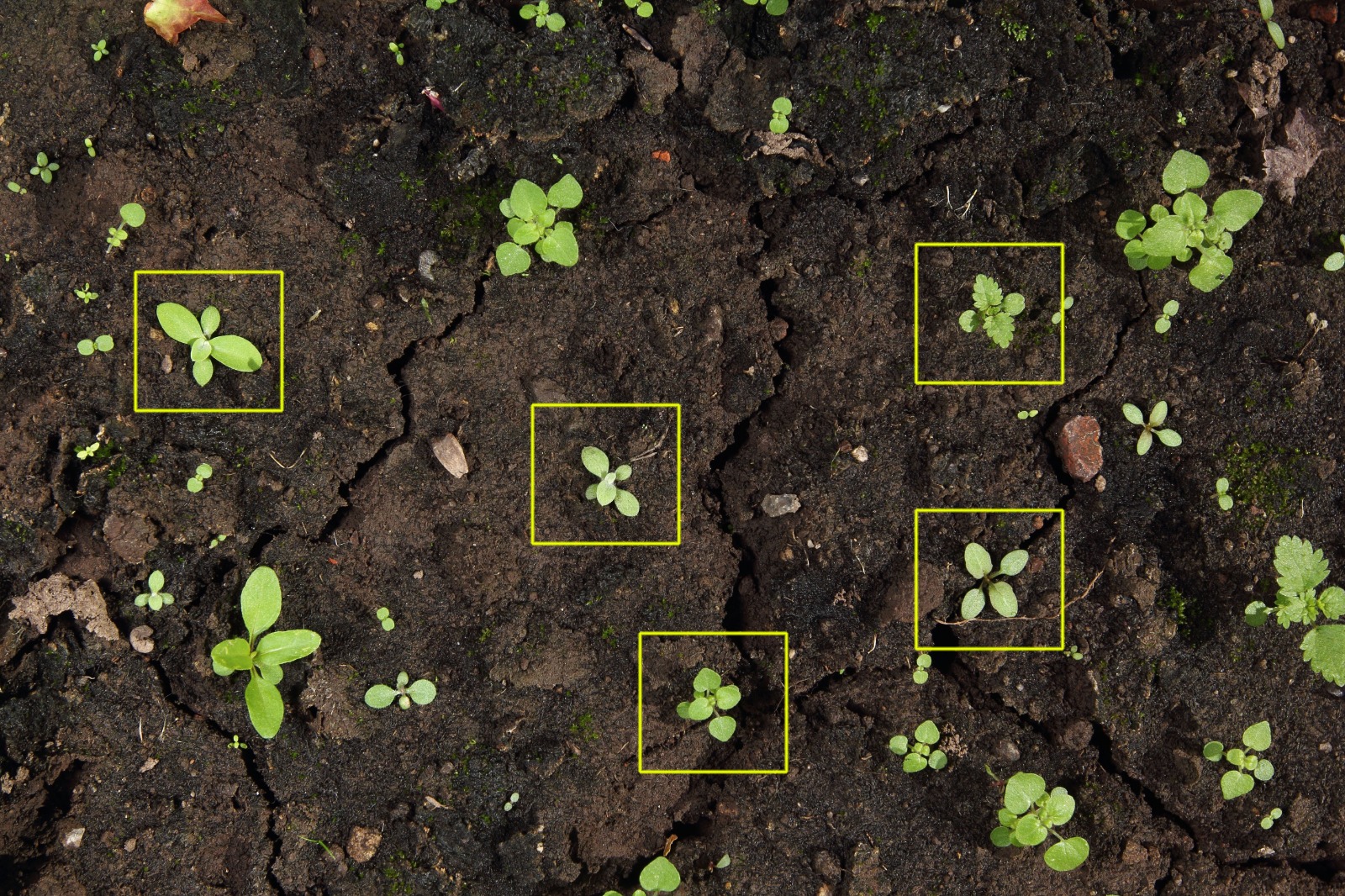
Most vision models perform well on lab images — and fail on real fields. We provide the missing ground truth: high-density, high-variance datasets designed for deployment, not demos.
400K+ images, ready now.
Pre-selected subsets for quick onboarding, with ready-to-train COCO / YOLO labels. No need to wait for a new growing season.
Built for the edge cases that break models.
Heavy occlusion, overlapping weeds, variable lighting, soil types, residues, and growth stages from emergence to canopy closure.
Agronomist QA on every label.
Human-in-the-loop QA with expert agronomists ensures consistent class definitions, accurate boundaries, and full dataset provenance.
Data standards and annotation specifications.
Every dataset is designed around deployment: stable resolution, consistent capture geometry, and annotation standards aligned with your detection and segmentation pipelines.
The 7-Shot Robustness Protocol.
For each sample area, we capture a 7-image "Bundle" to maximize robustness across distance and angle.
Each position captures a single weed patch combining nadir and 45° angles at two distances, plus a wider context shot.
The 7-Shot Robustness Protocol: consistent geometry around each weed patch to improve generalization in the field.
Annotation Environment.
Annotations are produced and reviewed in professional tools (e.g., Label Studio) with agronomists in the loop.
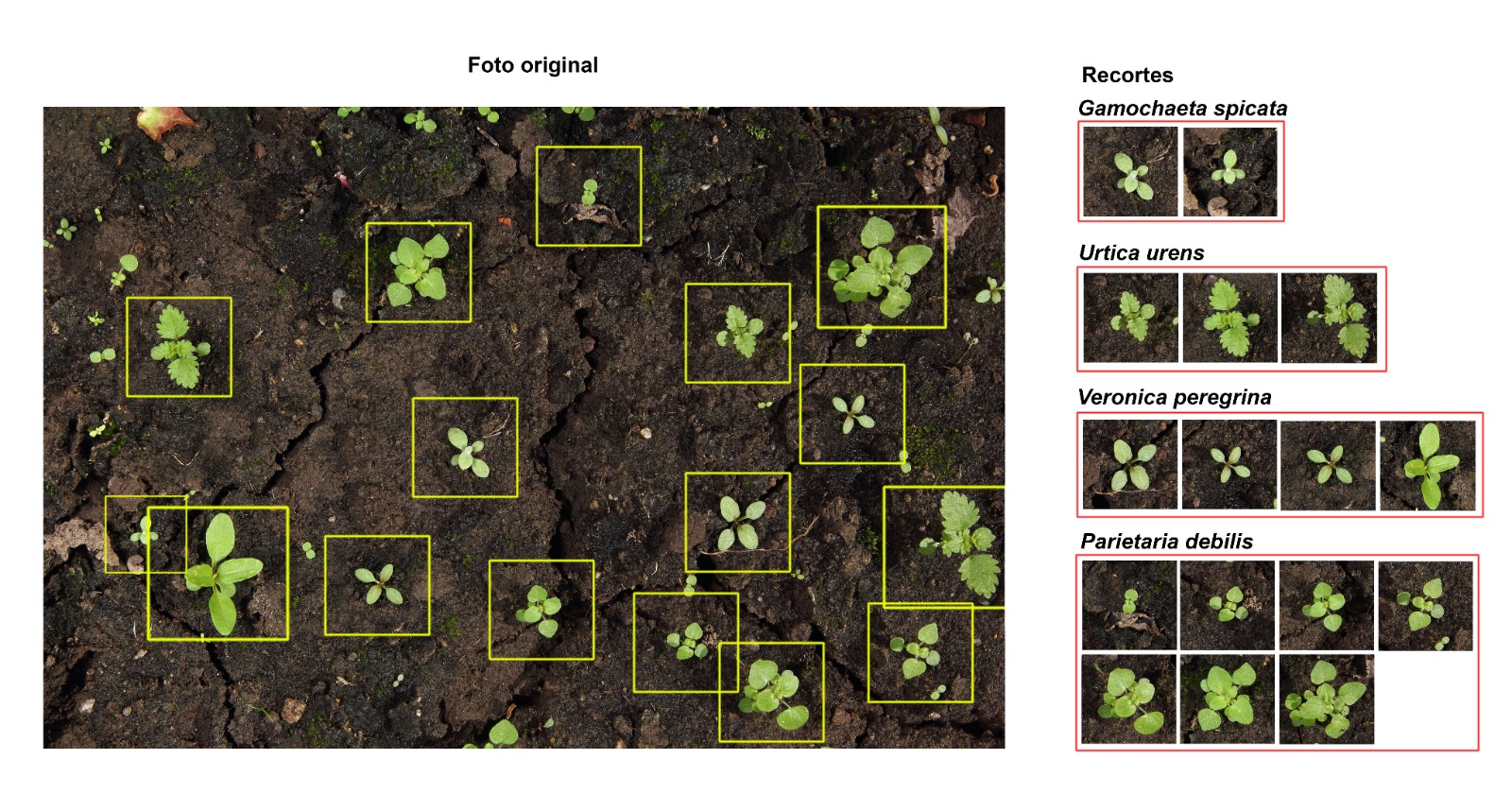
- Bounding boxes for Grass, Broadleaf, Insects, and more.
- Instance-level labeling for dense clusters and overlapping plants.
- Class definitions aligned with your taxonomy and label map.
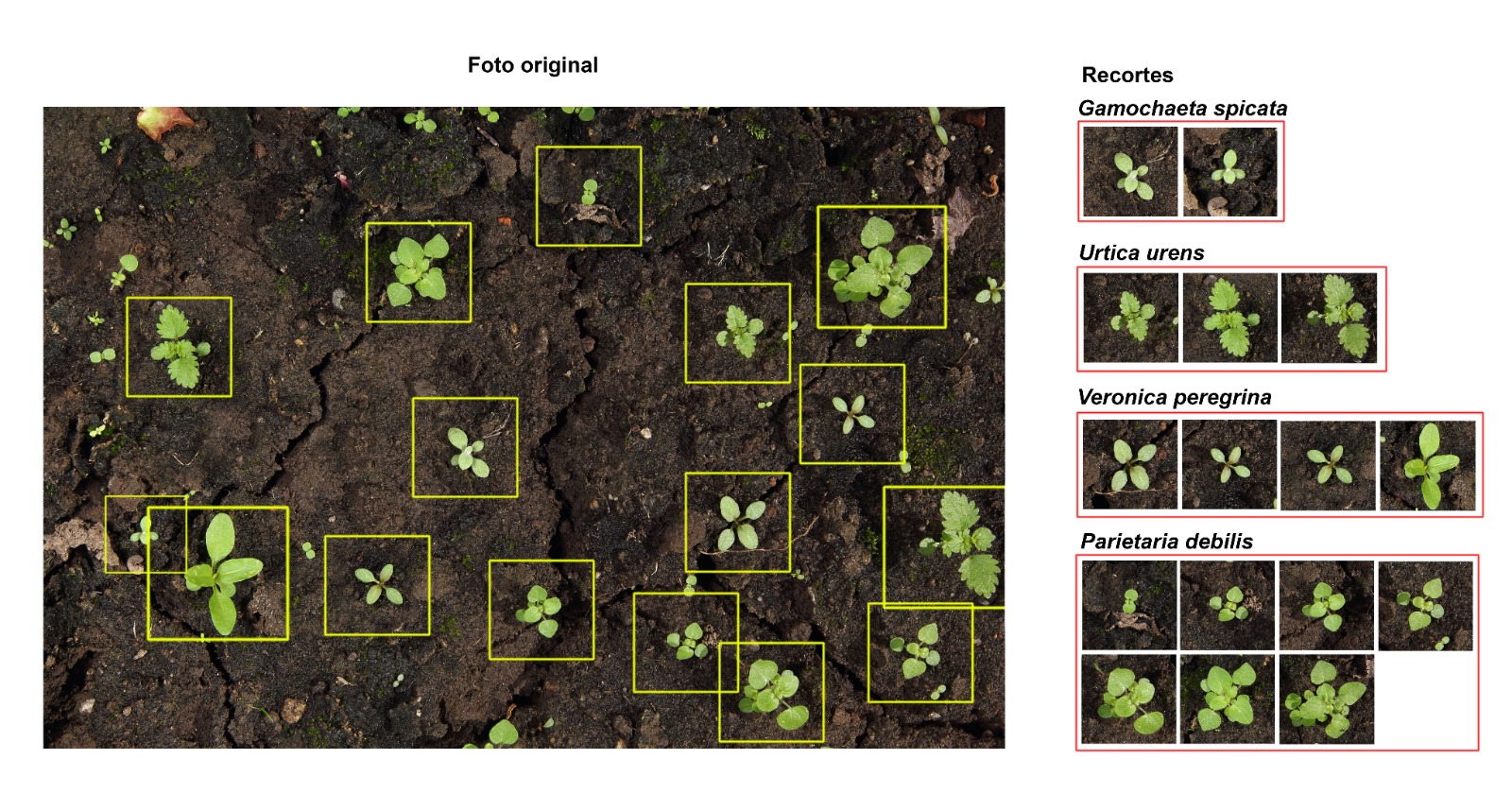
Example screenshot: actual datasets annotated in production-grade tools.
Catalog datasets and custom data capture.
Two ways to work with us: start from our reference field datasets, or define a fully custom capture and labeling protocol tailored to your deployment.
Reference field datasets (400K+ images).
Use pre-curated image banks to accelerate experimentation, benchmarking, and model scaling.
- Corn
- Soy
- Wheat
- Cotton
- Sunflower
Multiple geographies and soil types, with growth stages from emergence to canopy closure and standardized weed categories (Grass / Broadleaf / Mixed).
Custom capture & labeling.
For specific crops, regions, or protocols, we execute end-to-end data collection and annotation aligned with your requirements.
- Specialty crops: onions, garlic, vegetables, orchards.
- Region-specific weed populations and resistances.
- Custom label taxonomies, including species-level or application-specific groups.
Book a free 30-minute technical call.
Pick a slot that works for you. We'll cover scope, coverage, formats, and validation strategy — no commitment required.
We'll discuss your crop, weed classes, annotation format, volume, and delivery timeline. Come with questions — we come with answers.